
Thrifting Prices on the Rise
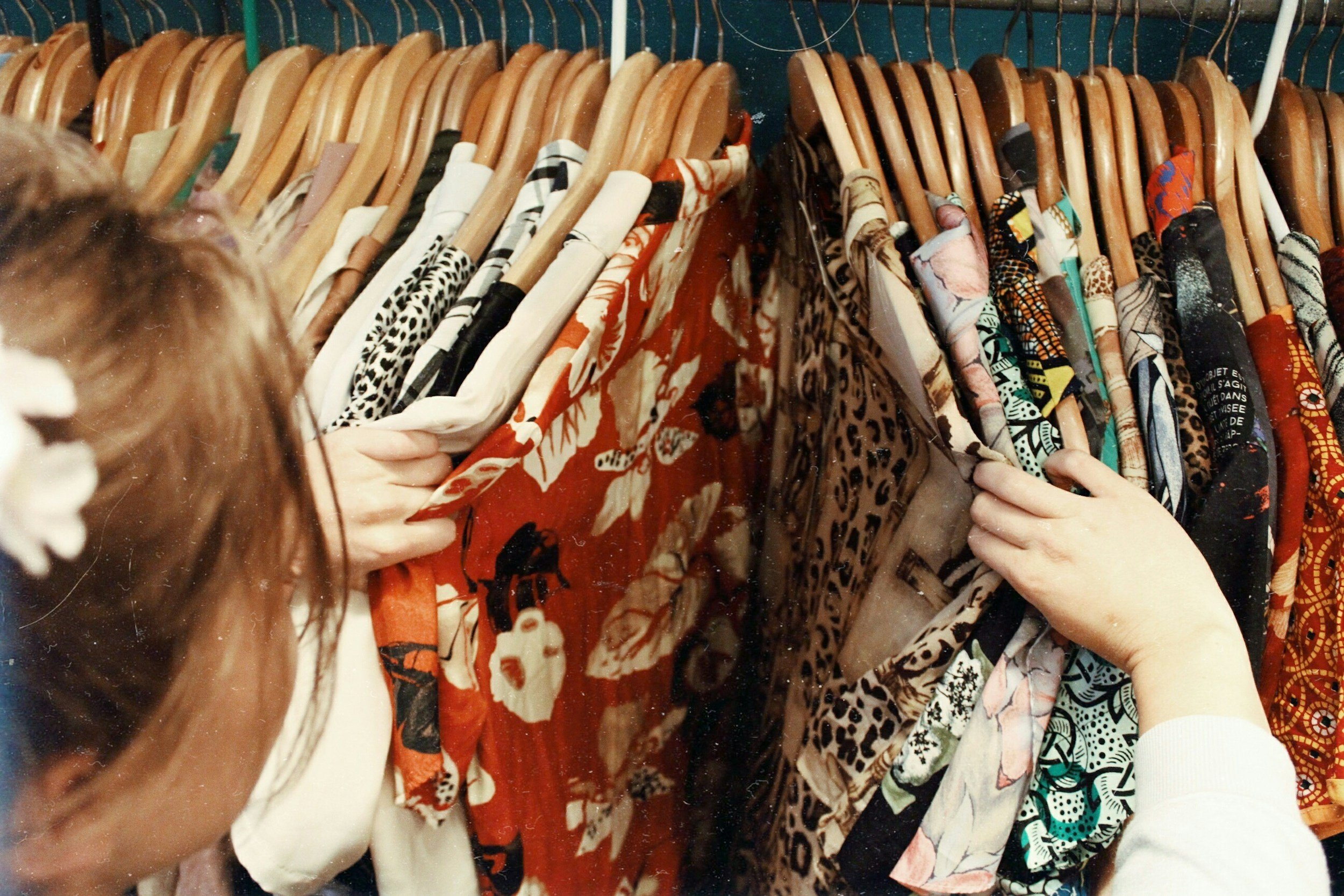
Over winter break I decided to go thrifting in my home city of Seattle, Washington, specifically at the store Value Village, a popular Pacific Northwest thrift franchise. Going to a thrift store usually entails inexpensive clothes of varied quality, as well as a fun shopping experience for my friends and I. However this visit was not quite the same as usual, as I immediately noticed that the prices of the clothing had risen significantly. A shirt that would usually cost three dollars was seven, and a sweatshirt usually priced at eleven dollars was fifteen. Although such prices were not very expensive in comparison to that of a new piece of clothing, the cost was surprising enough to make us question why there had been such a change.
Before discussing the rise in thrift prices, it is important to determine the difference between vintage, consignment, and thrift stores, as they are all similar in nature but vastly different in price and types of clothing. Consignment stores offer a curated collection of usually high-quality clothes, making their prices steeper while giving their clothing donors a cut of their profit. Vintage stores present unique clothes, usually twenty or more years old, and because of their rarity their pieces are usually expensive, although their donors do not receive money from purchases.
Thrift stores are arguably the most accessible of the three types of stores, as they provide cheap clothes of varying quality, generally ensuring that a vintage Abercrombie long-sleeve is the same price as a modern Target shirt. This assurance that the clothes will be cheaper yet maintain the same quality became the problem that I encountered on my recent visit. Even though the clothing may have been the same quality as before, Forbes notes that the price increased almost 10% in the last year.
According to The Record, thrifting prices have remained relatively similar to that of last year's within small towns, although within big cities, like Boston or Seattle, thrifting prices have risen a sizable amount. The increase in cost can be attributed to thrifting transforming from a necessity to a hobby for many. As more people began to thrift for fun, thrift shops started to raise their prices in response to the rise in consumers, resulting in higher thrift prices within almost all stores.
The demand for thrifted items continued to increase as groups of high-income individuals began to buy large amounts of thrifted clothing in bulk, simply because it was cheaper than buying a few new pieces from the store. As those with a higher source of income buy excess amounts of clothing, the price of thrifted clothing goes up in turn. If thrifted pieces stayed the same price, high-income consumers would not care, and if costs rose by 10%, those who could afford it would remain unmoved. The influx of high thrifting prices created an economic hierarchy where there should be equal opportunity.
The price of thrifting continued to rise as thrifting for others, or reselling, became a popular way to make quick money. According to Value World, thrifting has experienced an increase in prices because of resellers who consent to paying a large amount of money for a piece, knowing that they will be able to resell it for more. Some popular reselling sites, such as Depop or Vinted, sell shirts that could have been thrifted for ten dollars, and mark them up to thirty or forty dollars.
While being a relatively expensive city in terms of thrifting and shopping, Boston continues to house good quality, low-cost shops if only you look in the right places. Some of my favorite places to thrift have been Boomerangs and Savers. Boomerangs is a small, non-profit thrift store in Central Square boasting cheap prices and good quality items, easily accessible from Newbury street via the Red Line. Savers is almost the complete opposite of Boomerangs as it is a thrift franchise, the closest being located in West Roxbury. Savers is also incredibly large and provides an enormous amount of all types of clothing. "Buy by the pound" locations, such as The Garment District in Cambridge, are also extremely cost effective because of their approach in charging through weight instead of by type or brand of clothing.
The steady increase in the cost of thrifted clothing has become increasingly more noticeable within the last few years due to factors like reselling, as well as converting thrifting from an accessible way of shopping to a popular hobby. Such a rise in cost has made thrifting not a place of equal opportunity, but an economic hierarchy, as thrifting begins to shift from a necessity to a significantly more expensive hobby.
Sources
https://record.goshen.edu/opinion/thrift-stores-must-return-to-affordability